Share
Share

As one of the epicentres for Tamil Nadu’s culture, Tirunelveli or Nellai, as it is also known, is synonymous with most people for its buttery halwa – so much so, that popular culture has compared women of yore for their beauty with it. Renowned for its historical monuments, the now-industrial city attracts people from all over the state for its attractions. On the surface of it, most of the food found in and around Tirunelvelli aren’t exclusive to the particular place – as they draw from what most mainstream kitchens around the state typically cook. However, the vadai, pongal, idiyappams aside, the city has more to offer in terms of culinary specialties that distinctly belong to this historic place.
Iruttu Kadai Halwa
What is quintessentially the singular delicacy that Tirunelveli is known for, the iruttu kadai halwa or dark shop halwa, is a sweetmeat that is best described as a buttery wheat halwa. Known for its unique texture that resembles jelly and deep caramel colour, this ghee-laden treat is famously made with the water of the Thamarabarani river – thus infusing the halwa with essential minerals as well as extending its shelf life for up to a year, at room temperature. Made with a bare minimum three ingredients – wheat flour, sugar and ghee, this halwa is as much of a tourist attraction as most other sites.
Javvarisi Payasam
What is popularly known as sago payasam or sabudana kheer around India, the javvarisi payasam is eaten hot across Tamil Nadu. Served as a delicacy during weddings and other occasions, the cardamom-infused payasam with chewy tapioca pearls is equally popular as a dish that is served in temples, as remnants of the deities (prasadam). The starchy and creamy dessert, like most sweets in Tirunelveli, can also be made with jaggery, in place of sugar, and has chopped bits of coconut to provide some crunch and texture.
Puli Thanni
A kuzhambu or gravy preparation made with thick tamarind extract, shallots, red chillies and curry leaves – the puli thanni is famously eaten as an accompaniment to rice, along with vegetables and appalam. Similar to its counterpart, the rasam, puli thanni tends to have a tangy-sour flavour, punctuated by sweet notes from the shallots and spice from the usage of red chillies. Although slightly thicker in consistency than the rasam, this Tirunelveli specialty is also served with rice and a pottu kadalai or gram chutney.
Also Read:
Ulundhu Kali
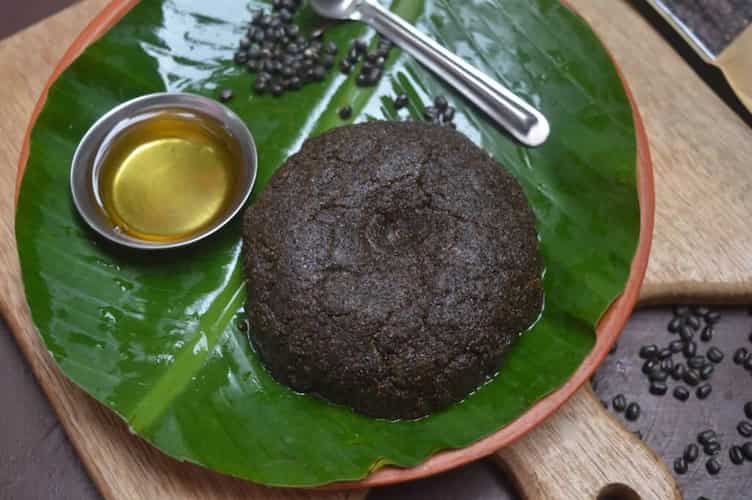
Image Credits: Cook With Sharmila
What can be best described as a native, indigenous fudge – the lentil-based kali made with urad dal is particularly well-known for its health benefits. While the process of making the kali involves toasting the lentils and grinding to a fine powder, before it is combined with jaggery syrup and cooked to form a lump, this kali is a preparation that is fed to growing children in order to boost their metabolism, as well as to women for strengthening their bones and post-natal recovery.
Kaisuthal Murukku
This savoury and crunchy snack that is one of the many variants of murukku, is prepared with a unique technique where murukku dough is twisted by hand to form a concentric pattern in the hot oil. Using similar ingredients as the other types of murukku, the kaisuthal or kai murukku is best enjoyed with a cup of tea or filter coffee. Deriving its name from the traditional method where women hand-spun the dough on pebble stones to make crunchy roundels of murukku of varying sizes, the dominant flavours of asafoetida and sesame seeds set these apart.
Munthiri Kothu
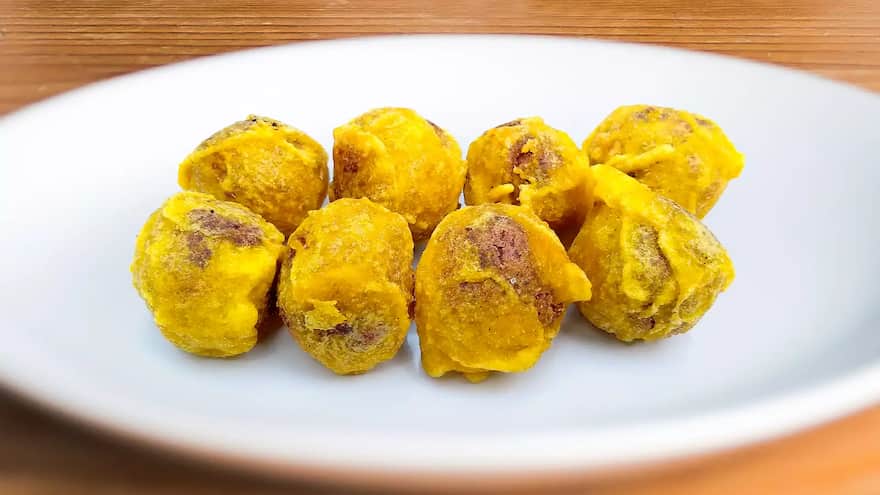
Image Credits: Tamil Nadu Tourism
A sweet, deep-fried delicacy made by coating balls of green moong, rice and jaggery syrup coated with a batter of rice flour, this traditional recipe is prepared for special occasions or festivals. Originating from Kanyakumari, the delicacy derives its name from being deep-fried in clusters or kothus, resembling clumped up balls. The arduous process of making the kothu also involves substituting regular jaggery for a palm jaggery syrup, which gives the sweets a deeper flavour.
Uluthanchoru
A simple rice preparation of whole urad dal and rice cooked with coconut milk, the uluthanchoru or ulundhu sadham is a by-product of another lesser-known sub-cuisine in Tamil Nadu, known as Nanjil. This protein-laden dish, is typically eaten with a savoury accompaniment of kuzhambu, thuvayal and even meat or fish curries, and is meant to be one of the most comforting rice-lentil dishes after pongal. What also makes the flavours of this delicacy unique, is the use of dry ginger powder, instead of fresh, and the liberal use of garlic.