Share
Share

Most fruits can broadly be divided into two main categories – climacteric and non-climacteric. What this means, is that the former category of fruits continue to ripen even after harvesting and the latter stops the process of ripening, after it has been picked from the plant. Hence fruit varieties like bananas, apples, peaches turn softer than when they were first brought, if not consumed at its peak. However, fruits like watermelon, grapes and strawberries remain in the same form they were when plucked.
What both categories have in common, however, is ethylene gas – which affects the fruits differently, based on what type they fall under. To state the obvious, the gas is one of the key factors why bananas and peaches soften in a matter of days, due to the emission of this gas. Contradictory to this, grapes and strawberries are consistent in their form, until they perish, as the emission of ethylene gas is much lesser. Follow these easy tips when you’re short on time to consume fresh fruit or want to prolong their shelf life.
Cold Storage
Once fruit has been purchased from the market, it is ideal to wash and wipe the fruits clean before placing them in clean cloth bags and stashing it away in the refrigerator. Alternately, for long-term freshness preservation, chop up or turn the fruit into pulp and freeze in resealable bags to use in smoothies, yogi bowls, milkshakes, etc.
Compartmentalise
When stored together, fruits tend to be susceptible to bruising, over-ripening and press into each other. This external damage can easily cause decomposition, causing them to go bad quicker than expected. Use smaller storage bins or bags to keep soft fruits like berries, grapes, mangoes separate from hard fruits like pomegranate, guavas and musk melon.
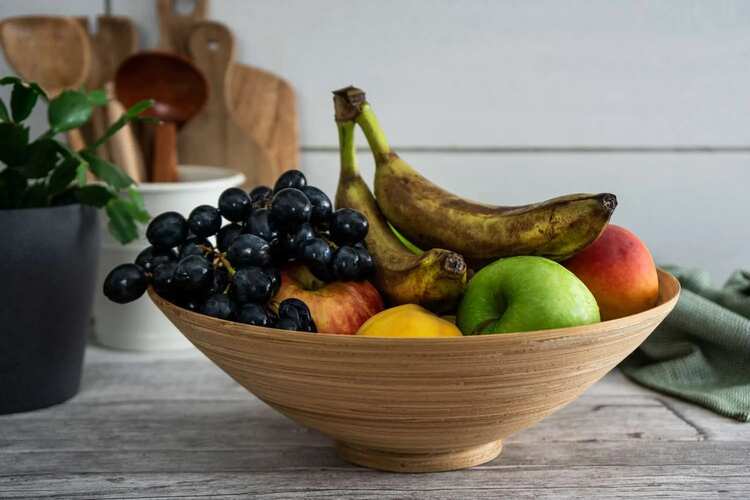
Image Credits: Treehugger
Wash Later
Washing your fruits just when you’re ready to eat them can prolong their shelf life up to three weeks. Most harvested fruits in grocery stores contain a protective, natural waxy layer that seals its surface and reduces the impact of oxidation and how they are affected by ethylene gas. Washing away this layer beforehand, in order to store your fruit for longer than a week, might make them vulnerable to temperatures and air, spoiling them quickly.
Also Read:
Low Exposure To Heat & Sun
Storing your fruits in a cool, dry place, away from secondary or primary heat sources, keeps their sugars from reacting. When the sugars in fruits begin to ferment, it changes the composition and flavour of the fruit, making them spoilt and mushy on the inside. Allowing fruits to rest in a wire basket or a deep bowl, in a corner on the kitchen counter can facilitate proper ripening, without the influences from other elements.
Buy Good Produce
While buying fruit, ensure that you buy good quality, organic fruits as much as possible. Purchasing from a reliable source where the produce is fresh, allows you to pick and choose what fruit to take home with you. The upside of good produce is also that it stays fresher without too much effort, for longer and also tastes better when ready to be eaten.