Share
Share

“Ma’am, I am sending you some magic in your lunch box,” informed the sous chef, from the pantry of the corporate hospital, which positions itself as a health city, no less, where we have been staying since almost a week, owing to the surgery of my husband’s fractured arm.
While the husband has been getting his duly regimented “patient” meals, curated by a team of dietitians, consisting of a low-salt, low-fat, high protein recovery diet: clear chicken soup, ragi jawa (a delightful drink of ragi millet malts in buttermilk), grilled fish and sautéed vegetables, as well as the regular Indian meals of rice-dal-roti-sabzi, my choice of meal has been a bit more chequered. Aah, the spoilt life choices of a food blogger!
Coming back to this particular episode, I had ordered in a vegetarian North Indian lunch one afternoon, looking for some comfort home style food when my chef friend announced the departure of the “magic dabba” from their kitchen. So in came the lunch box, with different dabbas, containing rice, rotis tur dal, bhindi or something as ubiquitous and then I unpacked the last dabba to find, lo and behold! A priceless gift, no less, of Aloo Bharta and Bori Bhaaja! Those from eastern parts of India would understand the joy i felt on seeing this familiar comfort food, the mashed potato resplendent with chopped onion, chilli and coriander leaves (though chef rued the absence of mustard oil) and I was really touched to know that the Bori (dried lentil dumplings, its pretentious English description never ever does enough justice to this crunchy munchy delight) was from his recent stocks stashed away from home. Bori as its known in Bengal, Odisha and Bihar is a part of the intrinsic eastern Indian culinary and indeed cultural sensibility and to see it out of the blue in a humumgous-sized corporate hospital with global standards of hospital management was nothing short of a miracle, I was overwhelmed with happiness.
More importantly, a spoonful or two, of the aloo bharta-bori bhaaja combo brought a glimmer of a smile on the hubby’s face, after what seemed like ages. Perhaps, this is what most of us in hospitals, sitting in a formidable, morbidity-alluding environment, (never mind how cheerful and bright the interiors of the rooms are) crave for, the sights and tastes of a familiar, comforting, happier world, where we are healthy (well, healthier, at least) and safe.
Sure, I knew the chef from his earlier stint at a standalone Mediterranean speciality restaurant, but the gesture of taking the trouble of providing me some home comfort in the midst of a busy schedule was priceless.
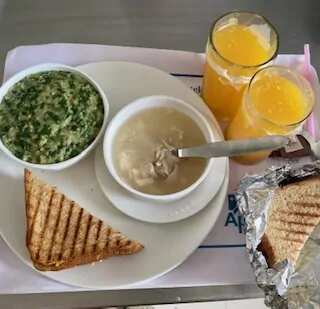
I am reminded of another memorable meal, light and nutritious which had been sent in on the day of discharge during another hospital stay which had brought us much solace. Since the discharge had been scheduled for late afternoon, we thought that a light brunch would be in order and when the chef suggested a spinach-barley porridge, I was intrigued enough to want to try it out along with some boiled egg multigrain sandwiches and freshly squeezed orange juice.
It turned out to be a hugely satisfying meal, hot and fresh, some tender green spinach sautéed with steamed barley in the most perfect glistening liquid texture, with peppercorns and chopped ginger adding to the flavour. It was fulfilling, pleasing to the eye and packed with nutrients, a sure shot way of healing better.
The reality in most corporate hospitals in metros is unfortunately far from the truth not only in India, but around the globe. A survey by a UK-based daily in London asking readers to write in or rather send in pics of their hospital food experiences called The Good, The Bad & The Ugly from different countries. The results were far from encouraging. Beginning with white bread cheese and tomato sandwiches (that too for a diabetic patient) and recycled processed meals. But there were good experiences too, ranging from miso soup and steamed buttered broccoli to pork chorizo butter rice! The unanimous conclusion by those who had written in with good experiences was that they wouldn’t mind paying higher prices for hospital food if there were better and as a redaer had put in “kinder and more human” options.
A decade and a half ago, I had to undergo a few traumatic investigative procedures at Breach Candy Hospital in Mumbai, where a Parsi pulmonologist was treating me. After the tests were done in the morning, when the doctor saw me on his evening rounds, he asked me if I had eaten well. I replied in the negative, adding that the food was far from appetising even by appearance. He immediately got the nurse to summon the F&B executive on hand and imperiously asked him what was on the dinner menu. Finally, with his intervention, some poached fish in lemon butter sauce and caramel pudding (which he vouched for) were ordered for my dinner and I remember feeling happier, better and cared for by the time I went to sleep. It was a simple gesture, but food, which someone else had so considerately ordered and made had done its trick of boosting recovery.
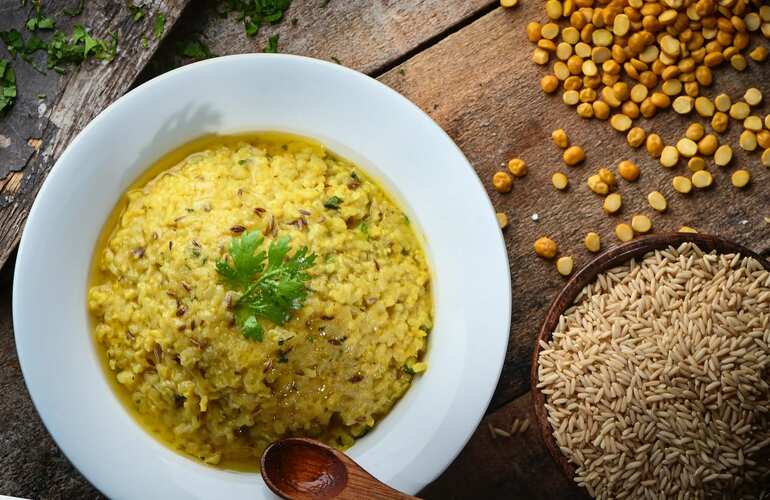
It is not only the patient but the care provider (sometimes sole care provider as in my case)could do with a bit of indulgence when it comes to thoughtfully created meals, especially when home-made meals are not an option, playing attendant round the clock and not wanting to . Millet-based dishes, both desi like millet idlis and in a global offering like millet tabbouleh, quinoa salads, and
So when our friend came visiting, we ended up ordering a mushroom cappuccino (low in salt but delicious nevertheless with truffle oil), a fattoush salad and a scrumptious grilled murrel with guacamole on a bed of sweet potato mash and the results were a happier care provider and Im guessing a happier patient!