Share
Share

Diabetes, a complex and prevalent chronic condition, affects millions of lives worldwide. Managing blood sugar levels is at the heart of diabetes care, and diet plays a pivotal role in this endeavour. While medications and lifestyle choices are significant factors in diabetes management, the right foods can make a substantial difference in controlling blood glucose levels. In this comprehensive guide, we delve into seven essential foods that can be instrumental for individuals with diabetes in their journey toward better blood sugar control.
From the humble oats to the vibrant leafy greens, from the aromatic cinnamon to the vibrant berries, and from the omega-3-rich fatty fish to the protein-packed beans and nuts, each of these foods carries unique properties that can positively influence blood sugar regulation. While no single food can be a panacea for diabetes, the combination of these elements offers a diverse and practical approach to dietary choices that can make living with diabetes more manageable and enjoyable.
By understanding the science behind these foods and incorporating them thoughtfully into your diet, you can embark on a path toward better blood sugar management and overall health. However, it is essential to remember that each individual's response to these foods may vary, so consulting with a healthcare professional or registered dietitian is a crucial step in creating a personalised diabetes management plan.
1. Oats
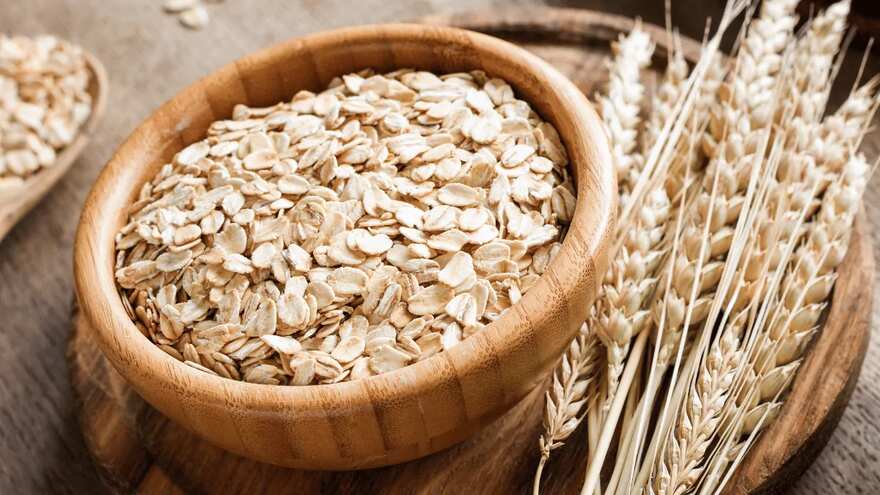
Whole-grain oats are a diabetes-friendly superfood. They are rich in soluble fibre, particularly beta-glucans, which can help stabilise blood sugar levels. This soluble fibre slows down the absorption of sugar into the bloodstream, preventing rapid spikes. Additionally, oats provide essential nutrients and have a low glycemic index (GI), making them an ideal choice for those with diabetes. Whether you prefer oatmeal, overnight oats, or oat-based snacks, incorporating oats into your diet can contribute to better blood sugar control.
2. Leafy Greens
Leafy greens like spinach, kale, and Swiss chard are packed with vitamins, minerals, and antioxidants, making them a diabetes-friendly choice. They are low in carbohydrates and calories, and their high fibre content helps regulate blood sugar levels. Leafy greens also contain compounds that may improve insulin sensitivity, making them an excellent addition to your diabetes management plan. Whether in salads, smoothies, or as a side dish, incorporating more leafy greens into your diet can provide numerous health benefits.
3. Cinnamon
Cinnamon, a flavorful spice, has been studied for its potential to improve insulin sensitivity and lower blood sugar levels. It contains compounds that may mimic the effects of insulin and help glucose enter cells, where it's needed for energy. While it's not a cure for diabetes, cinnamon can be a valuable addition to your diet. You can sprinkle it on oatmeal, yoghourt, or add it to your favourite recipes to enjoy its sweet, warming flavour while supporting better blood sugar control.
4. Berries
Berries, such as strawberries, blueberries, and raspberries, are not only delicious but also low in carbohydrates and high in fibre. The fibre in berries slows down digestion and helps prevent rapid spikes in blood sugar levels. Berries are also rich in antioxidants, which can protect against cell damage caused by high blood sugar. You can enjoy them on their own, in smoothies, or as a topping for yoghourt or oatmeal.
5. Fatty Fish
Fatty fish like salmon, mackerel, and sardines are excellent sources of omega-3 fatty acids. These healthy fats have been associated with improved insulin sensitivity and reduced inflammation, which are crucial for managing diabetes. Omega-3s may also lower the risk of heart disease, a common concern for people with diabetes. Including fatty fish in your diet, whether grilled, baked, or broiled, is a tasty and nutritious way to support your overall health.
6. Nuts
Nuts, such as almonds, walnuts, and pistachios, are nutrient-dense and provide healthy fats, protein, and fibre. They have a low glycemic index and can help stabilise blood sugar levels when eaten in moderation. Nuts may also improve insulin sensitivity and reduce the risk of heart disease. However, portion control is crucial because they are calorie-dense. A small handful of nuts as a snack or sprinkled on salads can be a satisfying and blood sugar-friendly choice.
7. Beans
Beans, including black beans, kidney beans, and lentils, are rich in fibre and protein. This combination helps regulate blood sugar by slowing down the digestion and absorption of carbohydrates. The high fibre content also promotes a feeling of fullness, which can aid in weight management, an essential aspect of diabetes care. Beans are versatile and can be included in soups, salads, or as a side dish, providing a nutritional boost to your meals.
Diabetes management is a multifaceted approach that includes medications, physical activity, and dietary choices. The foods discussed in this guide are just a starting point in creating a balanced diet for better blood sugar control. It's essential to work with a healthcare professional or registered dietitian to tailor your diet to your specific needs and monitor your blood sugar levels regularly. By making informed food choices, you can take significant steps toward managing diabetes and improving your overall well-being. Remember that each person's response to different foods may vary, so it's crucial to customise your diet to suit your individual health requirements and preferences.