Share
Share

Indian cuisine is a tapestry of diverse flavours, colours, and textures, with a rich heritage of using a wide variety of vegetables. While staple vegetables like potatoes, tomatoes, and onions are widely used, there is a whole world of exotic and uncommon vegetables that contribute unique tastes and textures to Indian recipes.
Indian Spinach (Poi):
Indian spinach, known as poi or Malabar spinach, is a leafy green vegetable that is native to India. Unlike regular spinach, Indian spinach has fleshy leaves with a thick texture. It has a mild and slightly tangy flavour. Indian spinach is used in a variety of dishes, including curries, stir-fries, and soups. It is packed with essential nutrients like iron, calcium, and vitamins A and C, making it a valuable addition to a healthy diet.
Indian Broad Beans (Sem Phali):
Indian broad beans, also known as sem phali or valor, are slender, elongated pods that contain small, tender beans. These beans are an excellent source of plant-based protein, iron, and folate. Indian broad beans are commonly used in Indian households, especially in regions like Gujarat and Rajasthan.
They have a mild, slightly sweet flavour and a delightful crunch. Sem phali is often prepared as sem phali ki sabzi (broad bean curry) or added to rice dishes like sem phali pulao (broad bean pilaf) for a nutritious and flavourful meal.
Drumstick (Sahjan Ki Phalli):
Drumstick, known as sahjan ki phalli in Hindi, is a long, slender vegetable that grows on the drumstick tree, also known as the moringa tree. It is a popular ingredient in South Indian cuisine, particularly in the states of Andhra Pradesh, Tamil Nadu, and Kerala. Drumsticks have a unique flavour that is both earthy and slightly bitter.
They are often used in sambar, a tangy lentil and vegetable stew, and avial, a mixed vegetable curry with coconut. The tender flesh of drumsticks, along with their fibrous texture, adds a delightful element to these dishes. In addition, drumsticks are a rich source of vitamins, minerals, and antioxidants.
Amaranth Leaves (Chaulai):
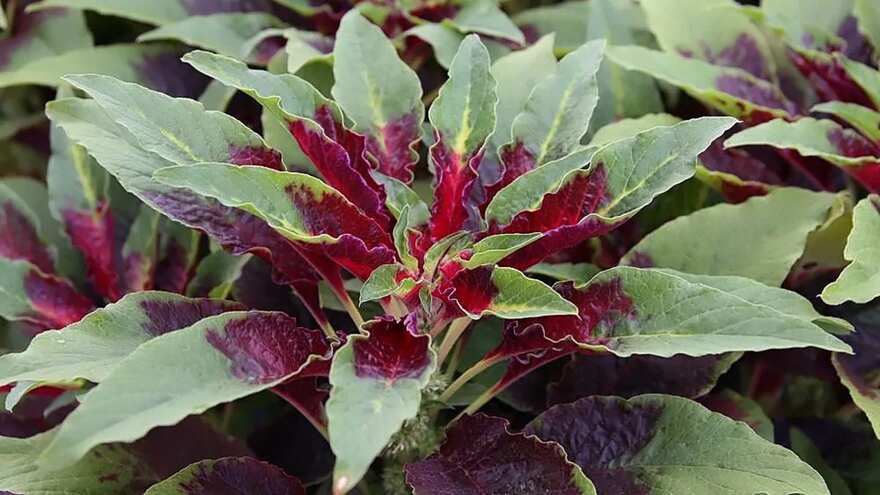
Amaranth leaves, or chaulai, are vibrant green leaves with a distinct taste and a slightly sweet flavour. They are commonly used in Indian cooking, particularly in the states of Maharashtra and Gujarat. Amaranth leaves are rich in iron, calcium, and dietary fibre. They can be sautéed, added to lentil dishes, or even used in stuffed flatbreads. These nutrient-dense leaves add a vibrant touch to any dish while providing a range of health benefits.
Elephant Foot Yam (Suran):
Elephant foot yam, locally known as suran or jimikand, is a large tuberous root vegetable that is widely used in Indian cuisine. It has a tough, brownish outer skin and a starchy, creamy-white flesh. Suran has a mild, slightly sweet flavour and a unique texture that becomes tender and gelatinous when cooked. It is often used in curries, fries, and even desserts.
Suran cutlets, made by mashing boiled yam with spices and shallow frying, are a popular snack. Suran curry, where the yam is simmered in a rich, aromatic sauce, is a delicious main course option. Besides its culinary merits, suran is also rich in dietary fiber, potassium, and vitamins.
Ivy Gourd (Tindora):
Ivy gourd, commonly referred to as tindora or tendli, is a small, elongated vegetable with a green skin and white flesh. It is commonly found in Indian markets and is extensively used in regional cuisines, particularly in Maharashtra, Karnataka, and Kerala. Ivy gourd has a slightly tangy flavour and a crisp, crunchy texture. It is often stir-fried with spices, onions, and tomatoes to make a delicious side dish. Additionally, tindora is a low-calorie vegetable packed with fiber, vitamins, and minerals, making it a nutritious choice for your meals.
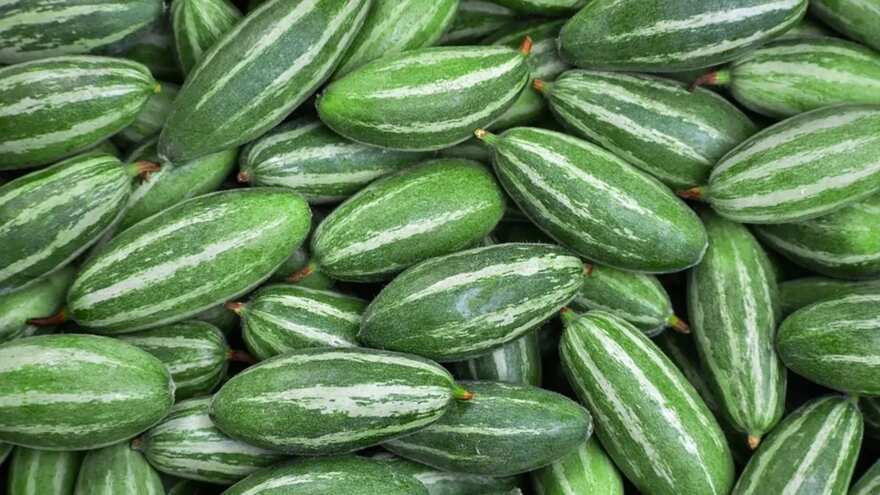 Image Caption
Pointed Gourd (Parwal):
Pointed gourd, known as parwal or potol, is a cylindrical vegetable with a green skin and a pointed tip. It is commonly used in North Indian cuisine, especially in states like Uttar Pradesh and West Bengal. Parwal has a mild, delicate flavour and a firm texture. It is often stuffed with spices, ground meat, or paneer (Indian cottage cheese) and cooked until tender. Parwal curry, where the gourds are simmered in a flavourful gravy, is another popular preparation. This vegetable is not only delicious but also a good source of vitamins A and C, as well as dietary fiber.
Conclusion:
Exploring the vast array of exotic and uncommon vegetables used in Indian cuisine opens up a world of exciting flavours, textures, and culinary possibilities. From the creamy taro root to the bitter goodness of bitter gourd, each vegetable contributes its own unique character to traditional Indian recipes. Incorporating these vegetables into your cooking not only adds diversity to your meals but also introduces a range of health benefits.